What Exactly is Dyslexia, Beyond Just ‘Reading Trouble’?
Okay, so when we talk about dyslexia, it’s way more than just mixing up letters or being a slow reader. It’s actually a common neurodevelopmental difference, meaning it’s how your brain is wired from birth! Specifically, it often affects something called “phonological processing,” which is our brain’s ability to hear and work with the individual sounds in words. Imagine trying to build a LEGO tower, but some of your blocks feel a bit slippery or hard to connect – that’s kind of what it can feel like for a dyslexic brain trying to break down words into sounds and then blend them back together. It makes decoding words tough, even if you’re super smart!
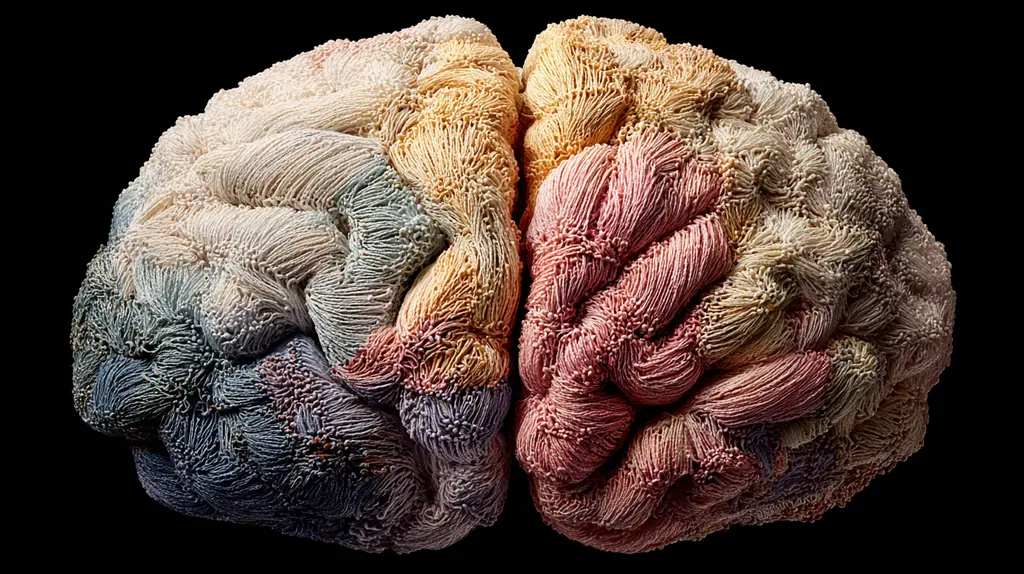
Different brains, unique strengths.

Is Dyslexia a ‘Disorder’ or Just a Different Way of Thinking?
This is such an important question! While historically labeled as a “learning disorder,” many in the neuroscience and cognitive science communities, including myself, are leaning towards seeing dyslexia as a form of neurodiversity. Think of it like being left-handed in a right-handed world; it’s not wrong, just different. Dyslexic brains often show incredible strengths in areas like creativity, problem-solving, spatial reasoning, and big-picture thinking. It’s a testament to the diverse ways our brains can be organized and still excel. It’s about recognizing unique cognitive profiles rather than deficits!
Unlocking Potential: Support & Strengths in Dyslexic Brains
What Kinds of Support and Strategies Can Help Someone with Dyslexia Thrive?
There are so many amazing tools and strategies available today to help individuals with dyslexia not just cope, but truly thrive! Multi-sensory learning approaches are super effective, engaging sight, sound, and touch to reinforce learning. Think about tracing letters while saying their sounds. Assistive technologies like text-to-speech software, dictation tools, and specialized reading apps can revolutionize access to information. Accommodations like extended time on tests or access to audiobooks are also crucial. And honestly, self-advocacy and understanding your own brain’s unique wiring are probably the most powerful strategies of all!

How Do Kids and Adults with Dyslexia Experience Reading Differently?
For someone with dyslexia, reading can be a real mental marathon. It’s not just that words might seem to jump around on the page for some; it’s often about the sheer effort required for basic decoding. Imagine every single word needing to be consciously sounded out, letter by letter, even common ones. This can lead to slow, choppy reading, difficulty understanding what you’ve just read because all your mental energy went into decoding, and even physical fatigue. It’s truly exhausting, and sometimes, the words just don’t ‘stick’ as easily for recall.
Are There Specific Signs or Symptoms I Should Look Out For in Myself or Others?
Absolutely! The signs of dyslexia can vary and show up differently at different ages. In kids, you might notice trouble rhyming, difficulty learning the alphabet, or confusing similar-looking letters like ‘b’ and ‘d’. For teens and adults, it could manifest as slow, effortful reading, difficulty with spelling, poor grammar even when speaking eloquently, avoiding reading aloud, or even struggling with organization and time management. It’s not about being ‘lazy’; it’s about genuine processing challenges. Recognizing these signs early can make a huge difference in finding the right support!
- LVIS Neuromatch – Explore advanced AI solutions for neuroscience.
- Neuvera – Discover more about cognitive assessment and brain health.