The Brain’s ‘Save and Edit’ Button for Memories
Okay, so picture this: when you recall an old memory, your brain doesn’t just pull it out of a dusty archive. Nope! It actually makes it *unstable* again, like a document you just opened. This brief period of instability is called reconsolidation. It’s super cool because it means our memories aren’t fixed; they’re dynamic and can be updated or even changed each time we access them. Think of it as a crucial window for your brain to ‘edit’ or ‘overwrite’ the original memory, which is a game-changer for understanding how we learn and adapt.
Memories are not static.
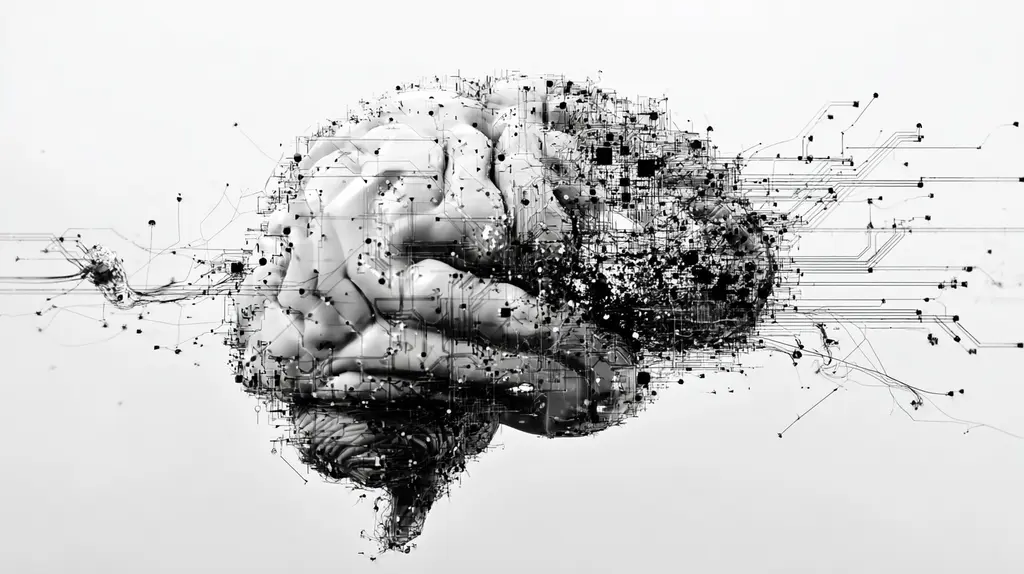
Why Memories Aren’t Set in Stone
Before we knew about reconsolidation, scientists generally thought that once a memory was consolidated (basically, ‘saved’ into long-term storage), it was pretty much permanent. But now we know that recalling a memory makes it temporarily vulnerable to change. This is a critical insight, showing that our past isn’t just a static recording. Every time you remember something, there’s a chance for that memory to be modified based on new information or your current emotional state. It’s like your brain is constantly curating your life story, not just playing it back!
Beyond the Basics: Related Brainy Stuff!
Are There Any Risks or Ethical Concerns with Modifying Memories?
That’s a super important point to consider! While the potential benefits for treating trauma are huge, the idea of actively modifying memories does bring up ethical questions. For instance, if we can weaken traumatic memories, could we inadvertently erase important lessons learned? Or, could this technology be misused? Researchers are very aware of these concerns and are proceeding cautiously. The goal isn’t to erase memories entirely, but to reduce their harmful emotional impact, leaving the factual content intact. It’s a delicate balance, and careful ethical discussions are crucial as this field advances.
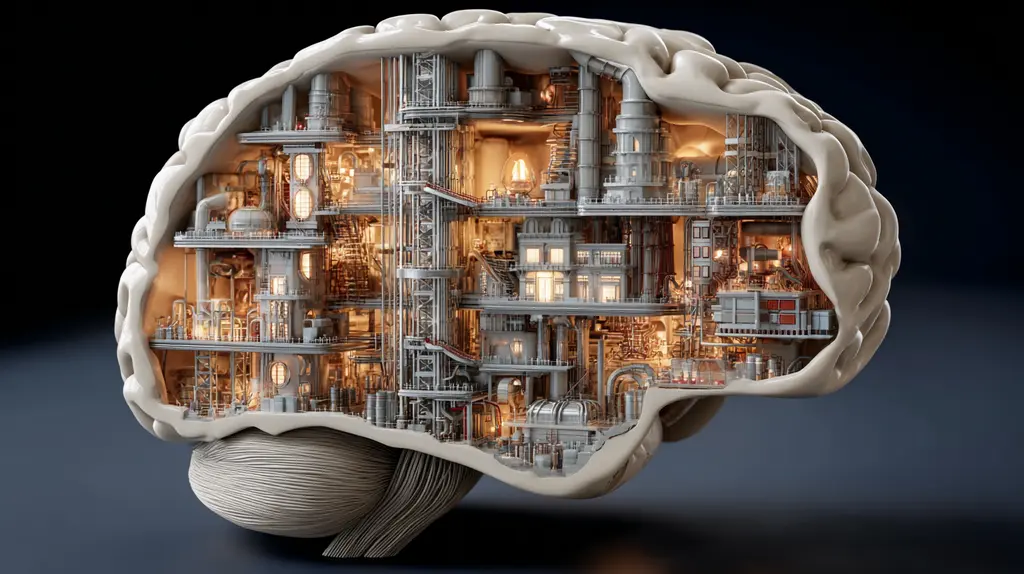
Can Reconsolidation Help Us Overcome Fears and Trauma?
Absolutely, and this is where it gets really exciting! Because memories become temporarily editable during reconsolidation, scientists are exploring ways to ‘update’ traumatic or fearful memories. Imagine being able to access a fear-inducing memory, and then, while it’s unstable, introduce new, positive, or neutral information. This could potentially weaken the emotional charge of the original bad memory, making it less impactful. This research has huge implications for treating conditions like PTSD or phobias, offering hope for more effective therapeutic interventions beyond just coping mechanisms.
How Does Reconsolidation Differ from Initial Memory Consolidation?
Good question! Initial consolidation is when a new experience is first encoded and ‘saved’ into long-term memory. It’s the process of making that fresh memory stable. Reconsolidation, on the other hand, happens *after* a memory has already been consolidated and then *recalled*. The key difference is the trigger: initial consolidation is for *new* memories, while reconsolidation is for *old* memories that are being reactivated. Both involve similar molecular processes in the brain, like protein synthesis, but they serve different purposes in the overall memory lifecycle. It’s all about how our brain keeps our memory system flexible and up-to-date.
- LVIS Neuromatch – Explore advanced AI solutions for neuroscience.
- Neuvera – Discover more about cognitive assessment and brain health.