Neurons That Fire Together, Wire Together!
Okay, so imagine your brain is like a super-complex social network, and each neuron is a person. Hebbian learning, often summed up by the catchy phrase “neurons that fire together, wire together,” basically means that when two neurons are active at the same time, the connection between them gets stronger. Think of it like a friendship: the more you and a friend hang out and do things together, the closer and stronger your bond becomes! This strengthening of connections is how our brains literally store information and learn new habits.
Practice makes permanent connections.
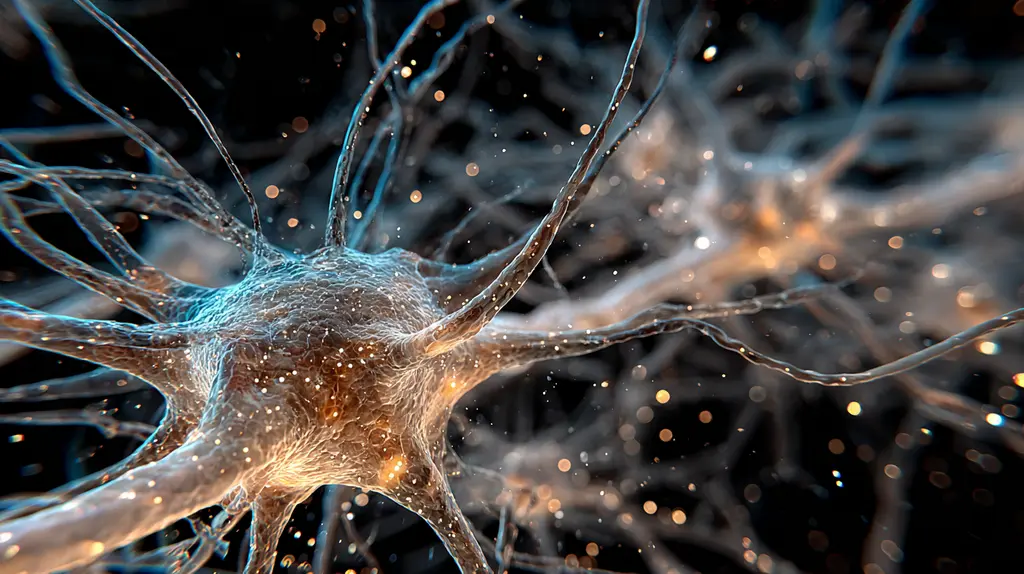
Making Sense of Memories: How Your Brain Builds Connections
Let’s make this super real! Remember learning to ride a bike? At first, it’s wobbly and you fall a lot, right? But with every bit of practice, your brain’s neurons involved in balance, coordination, and movement repeatedly fire together. Thanks to Hebbian learning, the connections between these neurons get stronger and more efficient. Eventually, riding a bike becomes second nature – that’s your brain mastering a skill through reinforced neural pathways! It’s how we form all sorts of associations, like remembering a friend’s face when you hear their name.
Connecting the Dots: Hebbian Learning and Beyond
How Does Our Brain Stay Flexible and Adaptable?
Our brains are just incredible shape-shifters, constantly reorganizing and adapting, and Hebbian learning is a key player in this amazing phenomenon called “neuroplasticity.” It means your brain isn’t fixed like a rigid structure but is constantly changing and reorganizing itself based on every new experience, thought, and sensation. Every single time you learn something new, form a new memory, or even adapt to a new city, Hebbian mechanisms are hard at work, adjusting the strength of those synaptic connections. This continuous rewiring helps your brain become more efficient, responsive, and resilient, allowing you to learn and grow throughout your entire life!
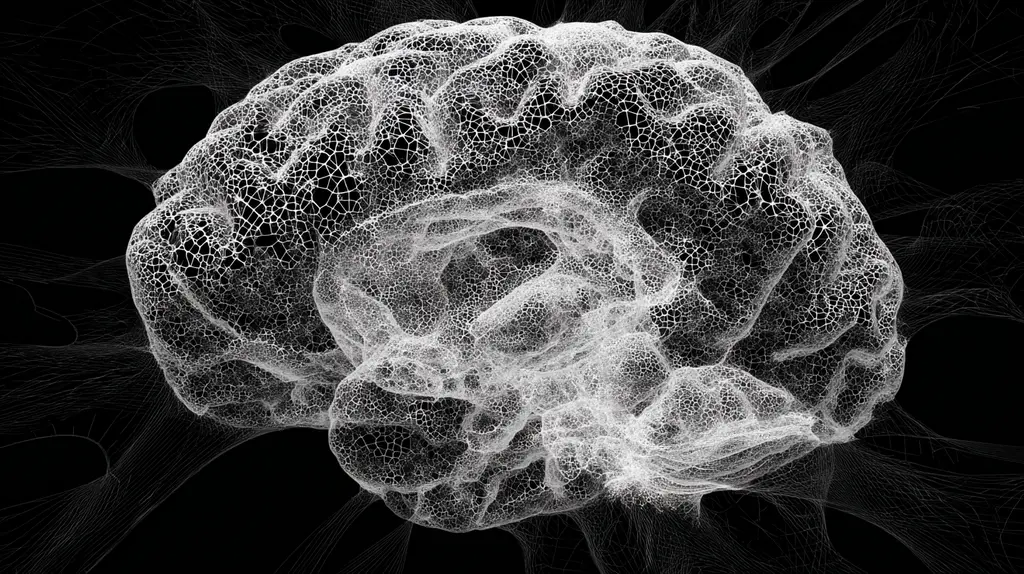
How Do Brain Cells Strengthen or Weaken Their Bonds?
This is where things get even more fascinating with Long-Term Potentiation (LTP) and Long-Term Depression (LTD)! LTP is like giving a massive high-five to a neuron that just fired perfectly with its partner: their connection gets dramatically stronger and more efficient. It’s widely considered the cellular basis for learning and memory formation. LTD is the opposite – if neurons repeatedly fire *out of sync* or send weak signals, their connection might actually weaken. This process is super important too, helping your brain forget irrelevant information, prune unnecessary connections, and adapt to changes in your environment. It’s how your brain constantly fine-tunes its vast network!
Where Can We See Hebbian Learning in Action?
Hebbian learning isn’t just a cool theory we learn in textbooks; it’s happening all the time in our daily lives! It’s incredibly important in everything from how we recognize faces in a crowd to how we develop ingrained habits. In the world of tech, it inspires artificial neural networks in AI that “learn” from massive amounts of data, mimicking our own brain’s ability. Even in medical fields like rehabilitation for brain injuries, understanding how to encourage beneficial neural rewiring (plasticity) through Hebbian principles can help patients regain lost functions. It’s truly a fundamental rule of brain growth and adaptation!
- LVIS Neuromatch – Explore advanced AI solutions for neuroscience.
- Neuvera – Discover more about cognitive assessment and brain health.