So, What’s the Big Deal with Brain Waves?
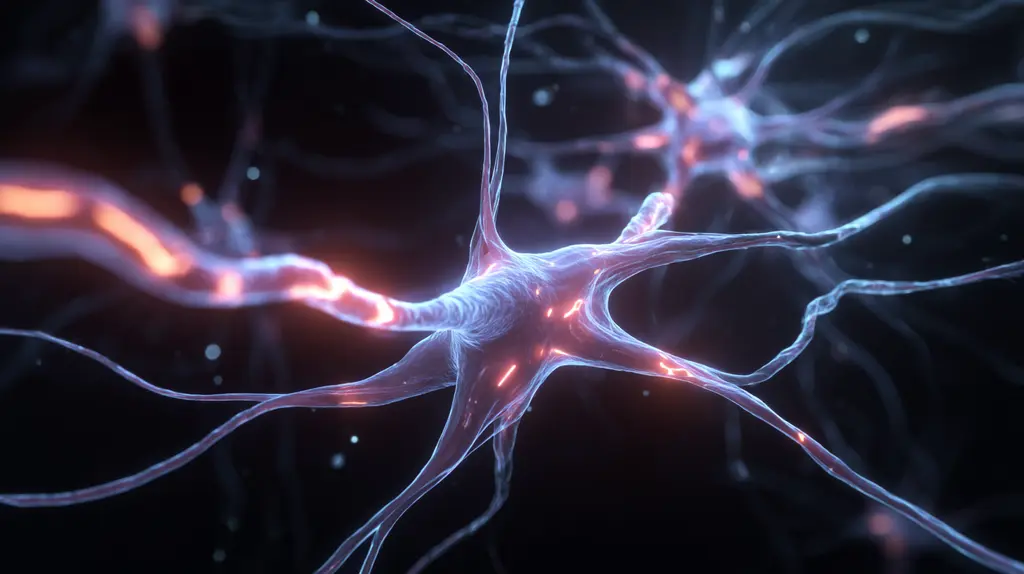
Okay, so imagine your brain is like a super busy city, and all the neurons (those amazing brain cells!) are constantly sending tiny electrical messages to each other. These messages create electrical activity that we can actually measure from outside your head! That’s where Electroencephalography, or EEG, comes in. It’s a totally non-invasive way to record these electrical signals as ‘brain waves,’ giving us a peek into what your brain is up to in real-time. Think of it as listening to the symphony of your brain’s electrical chatter!
Your brain’s rhythm tells its story.
Is it Like a Brain Scan? How’s it Different?
You might be thinking, “Isn’t that what an MRI or CT scan does?” Not quite! While those scans give us awesome pictures of your brain’s structure (like its shape and any physical damage), an EEG is all about function – specifically, the electrical activity. It doesn’t use radiation or super strong magnets. Instead, a comfy cap with little electrodes just sits on your scalp and picks up those electrical whispers. It’s fantastic for seeing *when* things happen in your brain, rather than just *where* they are.
Beyond the Basics: More Cool Facts About EEG!
Can EEG Help Me Understand My Moods or Thoughts?
While EEG isn’t a mind-reading device (wouldn’t that be something?!), it’s a powerful tool in cognitive neuroscience research! Scientists use EEG to study how brain wave patterns change when we’re focusing, meditating, feeling stressed, or even learning new things. By observing these patterns, researchers can gain insights into the brain’s processes related to attention, memory, and emotional regulation. It helps us understand the general electrical landscape of different mental states, which is pretty mind-blowing!
What Can Doctors Actually See with an EEG?
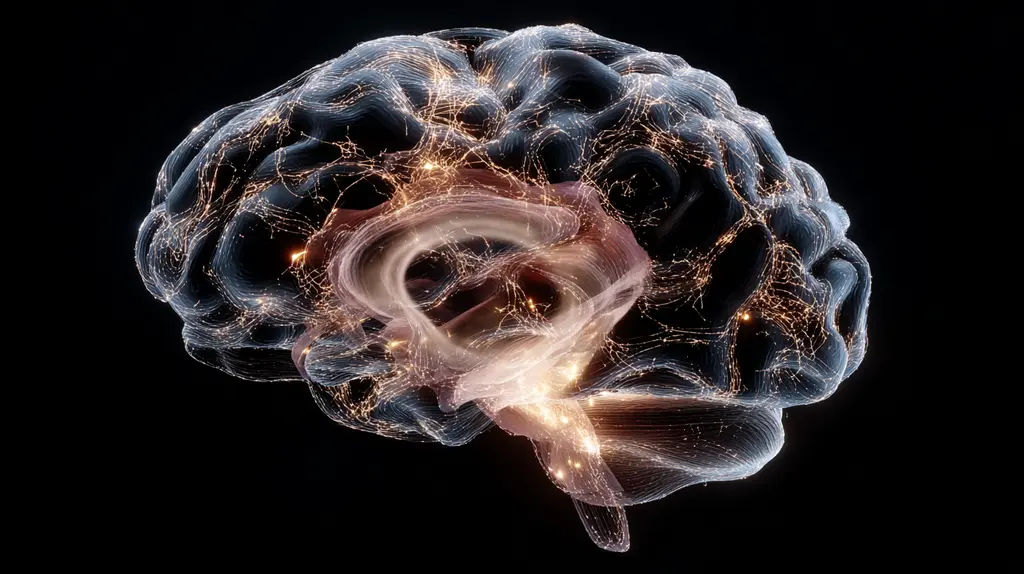
EEG is super helpful for diagnosing and monitoring several brain conditions. The most common one? Epilepsy! Since seizures are caused by abnormal electrical activity, an EEG can pinpoint these irregular patterns. It’s also used to help understand sleep disorders by showing different sleep stages through distinct brain wave patterns. Beyond that, doctors can use it to assess brain function after head injuries, strokes, or in cases of unexplained confusion, helping them see if the brain’s electrical rhythm is off-kilter.
Does it Hurt? What’s it Like to Get an EEG?
Absolutely not! Getting an EEG is completely painless. You’ll usually sit in a comfy chair, and a technician will place a soft cap with small sensors (electrodes) on your head. Sometimes they might use a bit of conductive gel to help get a clear signal, but it washes off easily. You just relax, maybe close your eyes, and let the EEG do its thing. It’s a bit like getting your pulse checked, but for your brain’s electrical beat!
- LVIS Neuromatch – Explore advanced AI solutions for neuroscience.
- Neuvera – Discover more about cognitive assessment and brain health.