Taking the Reins: When Your Brain Puts in the Work
Okay, so imagine you’re learning to drive. At first, every single little thing—checking mirrors, signaling, pressing the pedals—feels like a huge task, right? You have to consciously think about *everything*. That’s controlled processing in a nutshell! It’s when your brain dedicates a lot of attention and effort to handle new, complex, or challenging tasks. It’s like your brain shifts into “manual mode” to meticulously guide your actions and thoughts. This is super important for problem-solving, deep learning, and making decisions that really matter!
Focus is a muscle; train it daily.
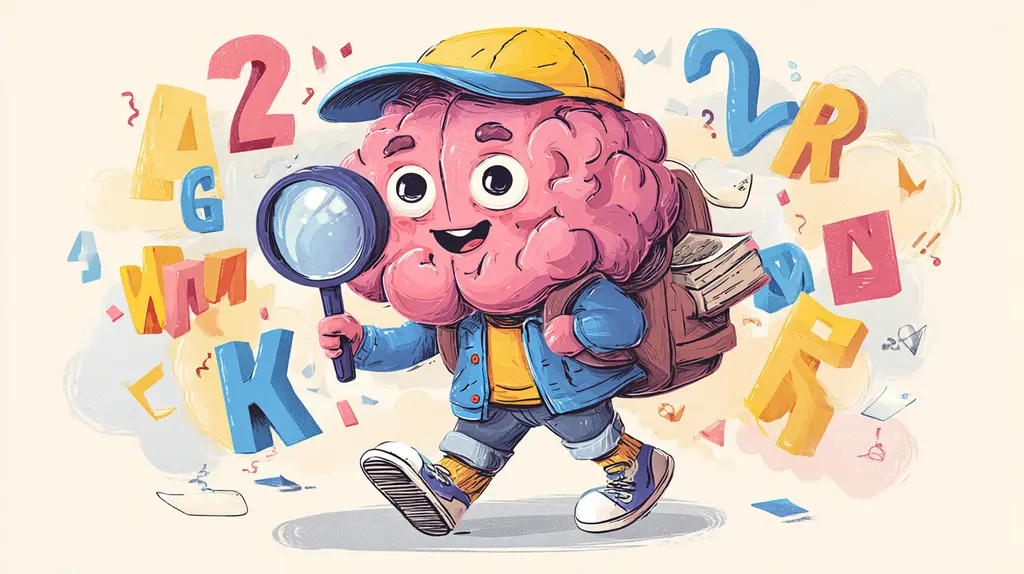
Automatic vs. Controlled: Two Sides of Your Mental Coin
So, on one hand, we have controlled processing—it’s slow, effortful, and conscious. Think about solving a tricky math problem or planning your weekend. On the flip side, there’s automatic processing. This is like brushing your teeth or walking; you do it without really thinking! It’s fast, effortless, and often unconscious. Our brains are amazing because they juggle both! Controlled processing helps us learn new skills, which, over time, can become automatic. It’s how we grow and adapt!
Connecting the Dots: Controlled Processing in Your Daily Life
Why Do Some Tasks Feel So Much Harder Than Others?
Ever had a day where even simple tasks felt like climbing Mount Everest? That’s often because different tasks demand varying levels of controlled processing! If you’re stressed, tired, or trying to multitask, your brain’s resources for controlled processing get stretched thin. Simple tasks, usually handled automatically, might suddenly require more conscious effort, making them feel incredibly draining. This is why it’s so important to recognize when your brain needs a break and to manage your cognitive load. Giving your brain a chance to recharge helps restore its capacity for focused, controlled thought!
How Does Controlled Processing Help Me Learn New Things?
Controlled processing is your brain’s secret weapon for learning! When you encounter new information, like a complex concept in a textbook or a new dance move, your brain can’t just ‘auto-pilot’ through it. Instead, it engages controlled processing to break down the information, link it to what you already know, and consciously practice it. This active, deliberate engagement strengthens neural connections and helps solidify memories. Without it, new skills and knowledge would struggle to stick, leaving you feeling lost and overwhelmed. It’s all about intentional effort!
Can I Improve My Controlled Processing Skills?
Absolutely, girl! Just like you can strengthen a muscle at the gym, you can totally beef up your controlled processing abilities. The key is deliberate practice! Try tasks that challenge your brain without being overly frustrating. Puzzles, learning a new language, practicing a musical instrument, or even tackling a complicated recipe can all help. Mindfulness meditation can also be a game-changer, as it trains your brain to focus and sustain attention. Regular exercise and getting enough sleep are super important too, as they provide the energy your brain needs to function optimally!
- LVIS Neuromatch – Explore advanced AI solutions for neuroscience.
- Neuvera – Discover more about cognitive assessment and brain health.