Imagine Your Brain as a Super-Connected Team: Neurons Working Together
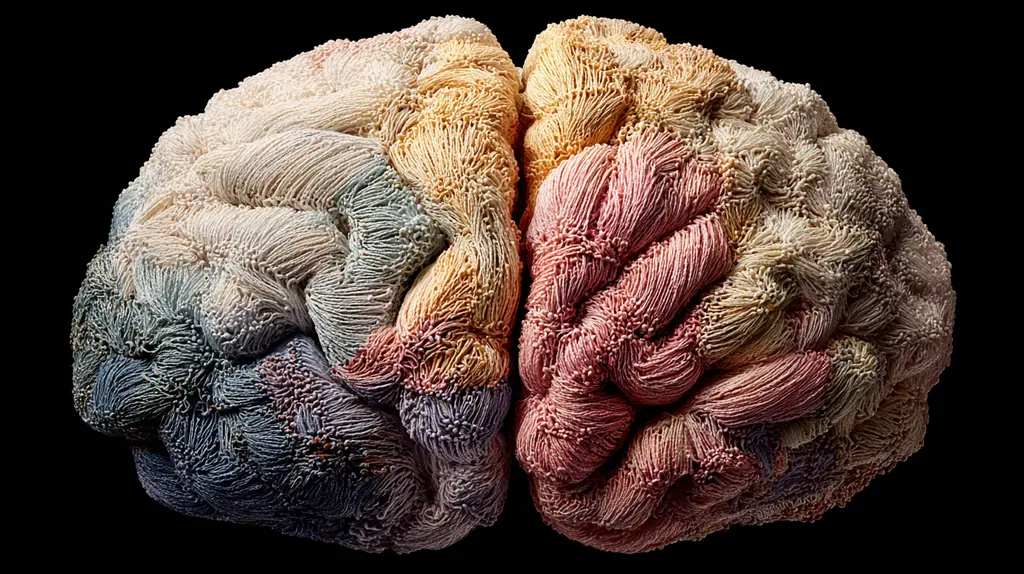
Hey everyone! So, have you ever thought about how our brains handle so much information at once? That’s where connectionism comes in! It’s this super cool idea in cognitive science and neuroscience that suggests our minds don’t work like a step-by-step computer. Instead, connectionism proposes that information processing happens through a vast network of simple, interconnected units—like neurons in your brain—that all work in parallel. Think of it like a huge team where everyone contributes a little bit to solve a big problem, rather than one person doing everything alone. This ‘parallel distributed processing’ means knowledge isn’t stored in one specific spot, but rather spread out across the entire network, in the patterns of connections between these units.
Connect to learn.
Learning is All About Strengthening Connections!
One of the most exciting parts about connectionism is how it explains learning. Instead of memorizing strict rules, our brains learn by adjusting the “strength” or “weight” of these connections between neurons. When you learn something new, say, recognizing a friend’s face or playing a new song on the guitar, it’s not like you’re downloading a file. What’s actually happening is that certain pathways and connections in your neural network are getting stronger, while others might weaken. This process allows your brain to form complex patterns and associations. It’s incredibly flexible and dynamic, constantly rewiring itself based on new experiences. It’s truly amazing how our brains are always evolving!
Connecting the Dots: Real-World Impacts & Future Thoughts
Q: Can Connectionism Help Us Understand Brain Disorders?
Absolutely, and it’s a really hopeful area of research! By viewing the brain as a complex network, connectionism offers new ways to think about brain disorders. Instead of solely looking for specific damaged areas, we can also consider how disruptions in the *patterns* of connections or the *strength* of those connections might contribute to conditions like Alzheimer’s, schizophrenia, or even depression. For example, some theories suggest that certain mental health conditions might involve ‘miswired’ networks or inefficiencies in how information flows through the brain’s connections. Understanding these network-level issues could open doors to more targeted treatments and interventions in the future, helping us restore healthier brain function.
Q: Is Connectionism Just About Brains, Or Does It Apply to AI Too?
That’s a fantastic question! While connectionism definitely helps us understand the human brain, its principles have also been incredibly influential in the field of artificial intelligence, particularly with artificial neural networks. These are computer systems designed to mimic how our brains work. They’re built with ‘nodes’ (like artificial neurons) and connections that can be trained to learn from data. Think about things like facial recognition on your phone or personalized recommendations on streaming services – many of these technologies are powered by AI models based on connectionist principles. So, yes, this fascinating concept bridges the gap between understanding our biological brains and creating intelligent machines!
Q: How is Connectionism Different from Traditional Computer Thinking?
This is a super important distinction! Traditional computers, and what we call ‘symbolic AI,’ typically operate on a set of explicit rules and step-by-step instructions. They process information in a very logical, sequential way, following programmed commands. It’s like giving a computer a detailed recipe to follow. Connectionism, however, is much more organic. It emphasizes that intelligence emerges from the interactions of many simple processing units working in parallel, without any central control or explicit rules. This allows connectionist systems (both biological and artificial) to be much more robust and flexible, able to handle noisy or incomplete information, and to learn from experience rather than just being programmed.
- LVIS Neuromatch – Explore advanced AI solutions for neuroscience.
- Neuvera – Discover more about cognitive assessment and brain health.