It’s All About the Data First, Right?
Imagine your brain like a super-smart detective who always starts with the tiniest clues before making any big conclusions. That’s essentially what bottom-up processing is! It’s how our brain takes raw sensory information from the world—think light hitting your eyes, sounds tickling your ears, or a texture on your skin—and slowly, painstakingly, builds up a complete perception. It’s a data-driven process, meaning the information coming *into* our senses is what guides our understanding, without much initial influence from our prior knowledge or expectations. It’s like assembling a puzzle piece by piece without looking at the box cover first!
“Small details paint the big picture.”
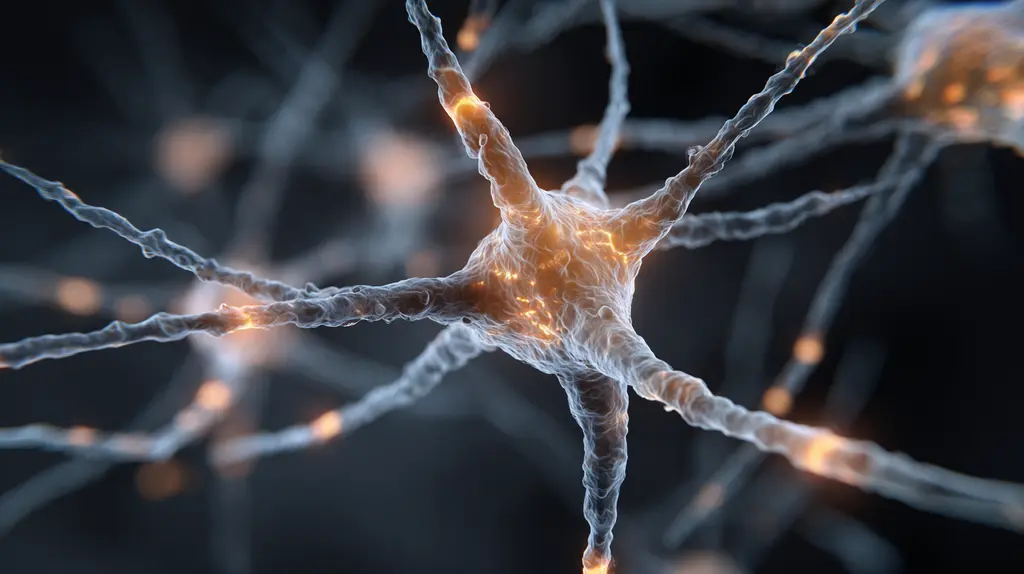
From Simple Features to Complex Understanding!
This process works by starting with the most basic features of a stimulus. For example, when you see a flower, your eyes first detect individual lines, edges, colors, and shapes. Your brain then takes these simple features and combines them into more complex ones, like petals, a stem, and leaves. Finally, all these combined elements allow your brain to recognize it as a “flower.” It’s a hierarchical process, moving from very specific, low-level details up to a grand, meaningful whole. It’s pretty amazing how our brains make sense of the world this way, just by stitching together little bits of info!
Q&A: Connecting the Dots
Can Bottom-Up Processing be influenced by our experiences over time?
While bottom-up processing is primarily driven by sensory input, our experiences can subtly influence *how* our sensory systems develop and what details we become more attuned to. For instance, a wine connoisseur or a musician might have highly developed sensory processing in their respective fields. Their initial bottom-up detection of subtle flavors or musical notes is incredibly refined due to years of experience and practice. So, while the initial data collection is ‘bottom-up,’ our brain’s capacity to *interpret* and *differentiate* those tiny details can definitely be enhanced by learning and experience. It’s like upgrading your sensory ‘hardware’ with better software!
How Does Bottom-Up Processing Differ from Top-Down Processing?
Okay, so if bottom-up is like building from scratch, then top-down processing is its cool older sister who totally uses context! Top-down processing uses our existing knowledge, experiences, expectations, and motivations to interpret sensory information. Think about reading a slightly blurry text – your brain uses its knowledge of words and language to fill in the gaps. Bottom-up is raw data driving perception, while top-down is our brain’s internal ‘database’ influencing how we perceive that raw data. Both are super important and often work together in a beautiful, intricate dance to create our seamless experience of the world.
What are some real-life examples of Bottom-Up Processing in action?
You experience bottom-up processing constantly without even realizing it! Think about touching something hot – the sensation of heat from your skin receptors travels straight to your brain, triggering an immediate withdrawal reflex, before you even consciously think “ouch!” Or when you hear a sudden, unfamiliar sound, like a loud bang, your brain immediately processes its volume and direction before you even figure out what it was. It’s that initial, automatic reaction to sensory input. Another one? Smelling a new perfume for the first time; your nose and brain are just processing the chemical compounds without any pre-existing emotional connections to that specific scent.
- LVIS Neuromatch – Explore advanced AI solutions for neuroscience.
- Neuvera – Discover more about cognitive assessment and brain health.