What Exactly *Is* an Algorithm in the Context of Our Brains?
Okay, so when we talk about algorithms, most of us probably think about computers and apps, right? But guess what? Our brains are basically the original supercomputers, running on their own intricate set of algorithms! Think of an algorithm as a step-by-step recipe. In our brains, these ‘recipes’ are the precise sets of rules and procedures our neurons follow to process information, make decisions, learn new things, and even feel emotions. It’s how our brain systematically tackles problems, from recognizing a friend’s face to riding a bike without thinking. These aren’t just random firings; they’re organized, logical sequences that dictate how our thoughts and actions unfold. It’s truly fascinating to think that our everyday existence is governed by these complex, biological algorithms!
Your brain: A masterpiece of algorithms.
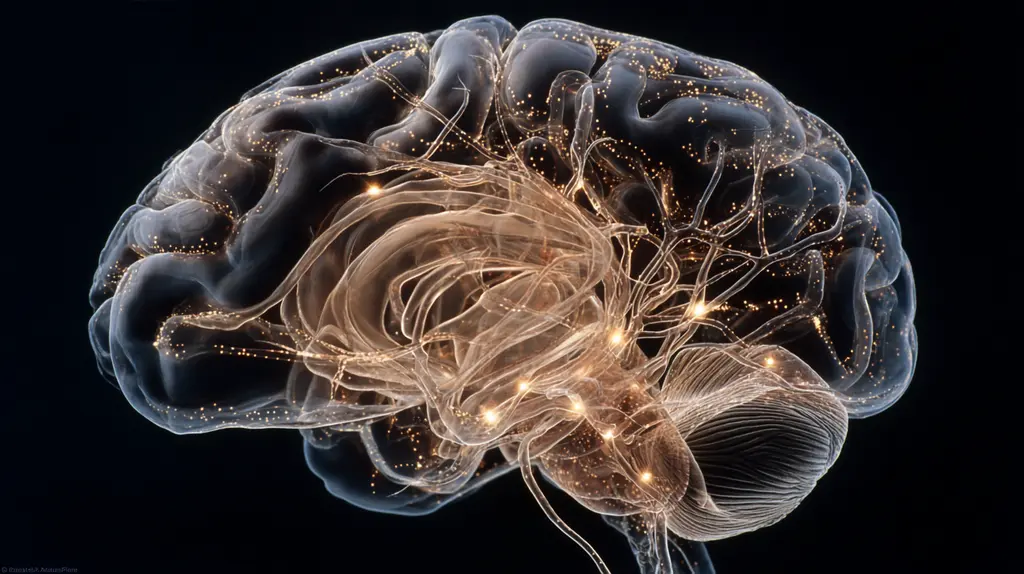
Are Our Brain’s Algorithms Like Computer Code?
That’s a super common and insightful question! While our brain’s algorithms share the core concept of ‘step-by-step processing’ with computer code, they operate on a fundamentally different level. Computer algorithms are typically deterministic and operate on digital information. Our brain’s algorithms, however, are biological, dynamic, and incredibly adaptive. They’re not written in lines of C++ or Python, but emerge from the complex interactions of billions of neurons, neurotransmitters, and electrical signals. They’re also highly plastic, meaning they can change and reorganize based on experiences – something current computer algorithms are still striving to fully achieve. So, while the analogy helps us understand the ‘recipe’ idea, remember our brains are a whole different ballgame!
Beyond the Basics: Algorithms and Brain Health
Are There Algorithms That Go Wrong in Brain Diseases?
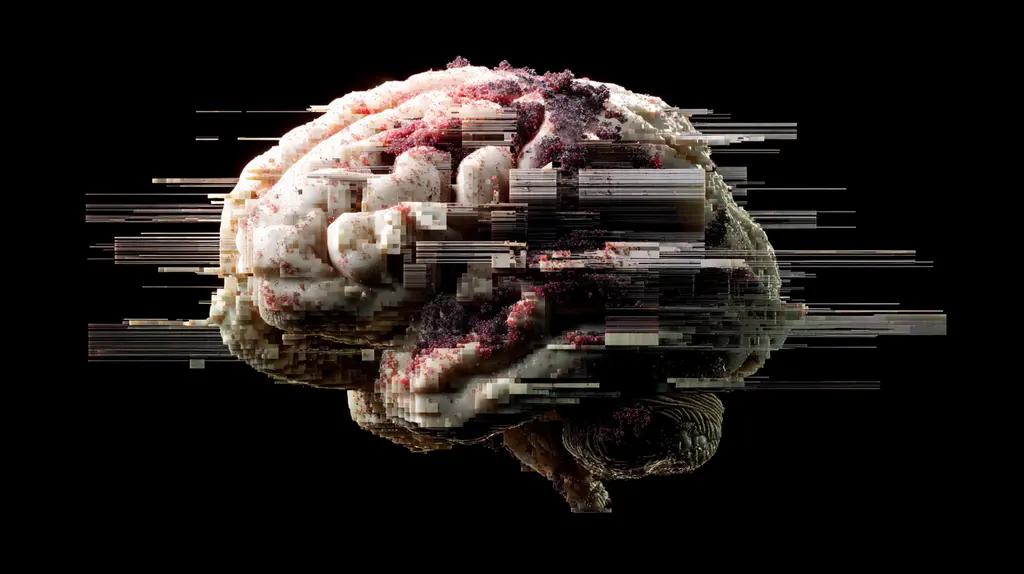
Absolutely, and this is a critical area of research in neuroscience. Many neurodegenerative diseases, like Alzheimer’s or Parkinson’s, are characterized by severe disruptions in the brain’s algorithmic functions. For instance, in Alzheimer’s, the algorithms for memory formation and retrieval break down due to plaque buildup and tangled proteins, essentially corrupting the brain’s ‘operating system.’ In Parkinson’s, the algorithms for motor control are impaired due to the loss of dopamine-producing neurons. Understanding these algorithmic failures helps us identify biomarkers for early diagnosis and develop therapies that can potentially repair or compensate for these disrupted processes. It’s like finding a bug in the system and trying to fix the code to restore normal function!
How Do Algorithms Affect Our Learning and Memory?
Algorithms are absolutely central to how we learn and form memories! When you learn something new, like a language or a new skill, your brain is essentially running specific algorithms to encode that information. For instance, processes like long-term potentiation (LTP) – where connections between neurons strengthen with repeated use – are algorithmic in nature. Your brain is constantly optimizing these ‘learning algorithms’ to store and retrieve information efficiently. Think about how you remember names or faces; your brain is executing a complex series of steps to match new sensory input with stored memories. When these algorithms are working smoothly, learning feels effortless, and memories stick!
Can Understanding Brain Algorithms Help With Mental Health?
Definitely! This is where brain science gets really exciting for mental health. Many mental health conditions, like depression or anxiety, can be thought of as ‘dysfunctions’ or ‘errors’ in certain brain algorithms. For example, in anxiety, the brain’s fear response algorithm might be overactive or misfiring, leading to heightened stress in non-threatening situations. By understanding the underlying algorithmic processes – how information flows, how decisions are made, how emotions are regulated – researchers can develop more targeted and effective treatments. It opens up possibilities for interventions that aim to ‘re-tune’ or ‘debug’ these neural algorithms, leading to better coping mechanisms and improved well-being. It’s all about figuring out the brain’s operating system!
- LVIS Neuromatch – Explore advanced AI solutions for neuroscience.
- Neuvera – Discover more about cognitive assessment and brain health.