Meet the Fusiform Face Area (FFA)
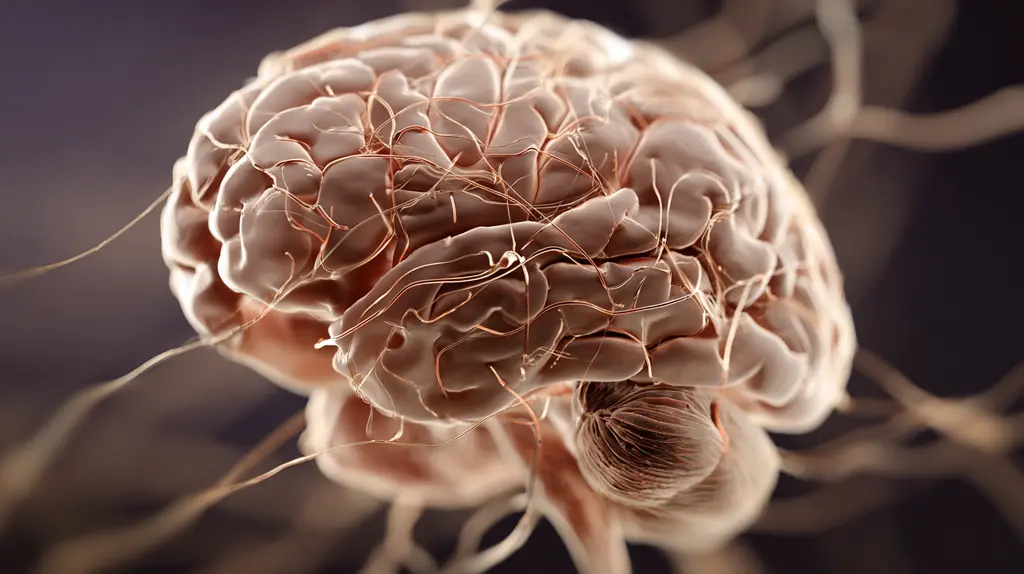
The Fusiform Face Area, or FFA, is like your brain’s specialized detective for faces! It’s a small region located in the fusiform gyrus, which is part of your temporal lobe. Think of it as a super-specific processing unit that gets super excited whenever it sees a face, whether it’s your best friend’s, a celebrity’s, or even a cartoon character’s. This area lights up on fMRI scans when people are looking at faces, showing just how dedicated it is to this one very important task. It helps you recognize people instantly, which is pretty vital for social interaction. Without it, imagine how confusing life would be!
Faces tell stories.
Beyond Just Faces: What Else Does the FFA Handle?
While the FFA is famous for faces, some research suggests it’s not *just* about faces. It might also be involved in recognizing other highly familiar objects that we’ve developed expertise in. For example, bird watchers show FFA activity when looking at birds, and car enthusiasts when looking at cars. This ‘expertise hypothesis’ suggests the FFA is more about expert-level visual discrimination, where faces are just one incredibly important category we all become experts at recognizing. It’s like our brains are so good at faces, they’ve dedicated a special spot, but that spot can be trained for other things too!
Beyond Recognition: What Happens When FFA Doesn’t Work Right?
What is Prosopagnosia and How is it Linked to the FFA?
Prosopagnosia, often called “face blindness,” is a fascinating condition where a person struggles to recognize familiar faces. Imagine looking at your best friend and not knowing who they are until they speak, or recognizing them by their clothes or hairstyle, not their face. This condition is often associated with damage to the fusiform gyrus, where the FFA resides. It can be caused by brain injury (acquired prosopagnosia) or be present from birth without any obvious brain damage (developmental prosopagnosia). It really highlights how critical the FFA is for one of our most fundamental social skills. It’s not about vision; it’s about processing.
How Do We Know the FFA is So Important for Faces?
We know the FFA is crucial because of incredible studies and observations. For instance, people with a condition called prosopagnosia, often resulting from damage to the FFA, struggle to recognize faces, even their own or close family members’. They can see eyes, noses, and mouths, but can’t put them together to identify a specific person. Neuroimaging techniques like fMRI also show increased activity in the FFA when people are presented with faces compared to other objects. These pieces of evidence strongly point to the FFA’s specialized role in facial recognition. It’s like having a specific app on your phone just for one function!
Is the FFA Only About Human Faces?
That’s a super interesting question! Initially, it was thought the FFA was exclusively for human faces. However, studies have shown that it also responds to animal faces if an individual has significant experience with them, like pet owners recognizing their dog’s face. The ‘expertise hypothesis’ comes into play here again, suggesting that if you develop expertise in discriminating between different non-human faces, your FFA might activate for those too. So, while human faces are its primary gig for most of us, it seems there’s some flexibility in what counts as a ‘face’ if you’re an expert!
- LVIS Neuromatch – Explore advanced AI solutions for neuroscience.
- Neuvera – Discover more about cognitive assessment and brain health.