Your Brain Cells’ Unique Look: Neuronal Morphology
Okay, so “morphology” sounds super sci-fi, but it just means the shape and structure of things! In neuroscience, when we talk about neuronal morphology, we’re focusing on the physical form of our brain cells, called neurons. Think of neurons like tiny, intricate trees. They have a central ‘body’ (soma), branches that receive signals (dendrites), and a long trunk that sends signals out (axon). The way these parts are shaped and how many branches they have isn’t random; it totally influences how well our brain communicates and processes information. It’s like the architecture of your brain’s superhighway!
Shape matters, connections more so.

Your Brain Can Change Its Shape: Morphological Plasticity
The coolest part? Our brain’s morphology isn’t fixed! It’s constantly changing and adapting, a phenomenon called morphological plasticity. This is super important for learning and memory. When you learn something new, your neurons might actually grow new dendrites or strengthen their connections (synapses) to other neurons, literally changing their shape to become better at what they do. It’s like your brain is always redecorating and adding new rooms to better host all your amazing thoughts and memories. How cool is that for brain remodeling?
Connecting the Dots: Morphology & Cognition
Is There a Link Between Neuron Shape and How We Think?
Absolutely! The shape and complexity of our neurons are intimately linked to our cognitive abilities. For instance, denser dendritic spines (tiny protrusions on dendrites where connections are made) are often associated with better learning and memory. Think of it: more surface area means more potential connections, and more connections mean more efficient information processing! Variations in neuronal morphology can influence how quickly we process information, how well we remember things, and even our problem-solving skills. It’s truly fascinating how these microscopic structures can have such a profound impact on our daily thoughts and experiences.
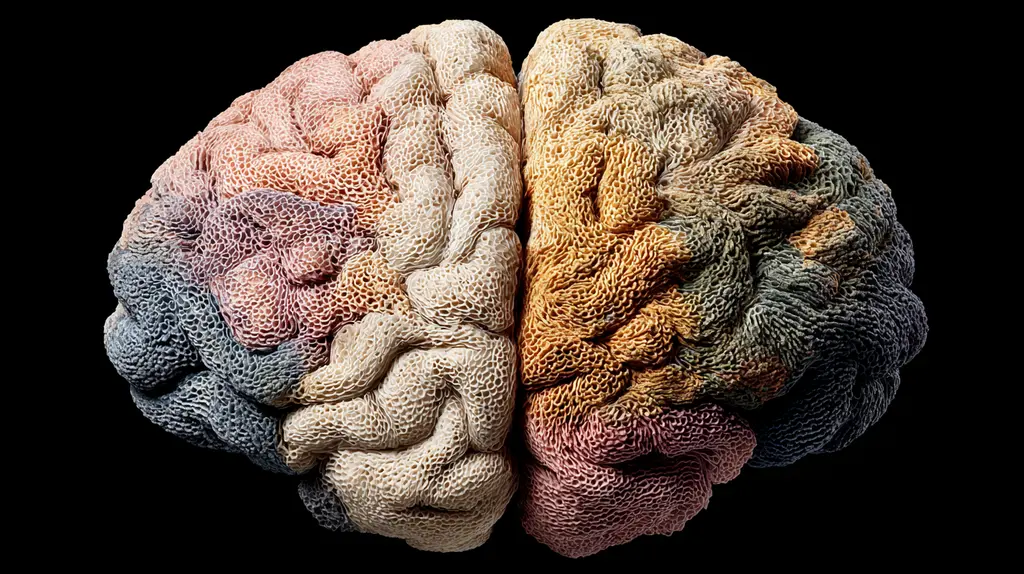
How Does “Messy” Morphology Affect Brain Health?
When neuronal morphology goes a bit awry, it can actually contribute to various brain and mental health conditions. For example, in some neurological disorders, neurons might have fewer dendrites, or their connections might be disorganized. This “messy” wiring can make it harder for brain signals to travel efficiently, impacting everything from mood regulation to cognitive functions. Researchers are constantly studying these structural differences to better understand conditions like autism spectrum disorder, schizophrenia, and even depression, hoping to find new ways to help.
How Do Scientists Even Look at Brain Cell Shapes?
Great question! Studying neuronal morphology is a huge field. Scientists use sophisticated tools like high-powered microscopes and special staining techniques (like Golgi staining) to visualize these tiny structures. Imagine being able to see the individual branches of a neuron! Newer technologies also involve 3D imaging and advanced computational models to reconstruct the entire shape of a neuron or even networks of neurons. This helps us see how different shapes relate to different brain functions and diseases, giving us a clearer picture of the brain’s incredibly detailed architecture.
- LVIS Neuromatch – Explore advanced AI solutions for neuroscience.
- Neuvera – Discover more about cognitive assessment and brain health.