What Exactly is a Morpheme?
Okay, so imagine words are like LEGOs! A morpheme is basically the smallest LEGO piece that still has its own meaning. It’s not just a sound; it’s a piece of a word that tells us something important. For example, in the word ‘unbelievable,’ ‘un-‘ means ‘not,’ ‘believe’ is the core idea, and ‘-able’ means ‘can be.’ Each of those is a morpheme! It’s super cool how our brains automatically break down words into these tiny meaning chunks to understand them, making language processing incredibly efficient.
Words are built brick by brick.

Free vs. Bound Morphemes: The Word Partners
Think of morphemes as having two main types: the independent ones and the ones who love to stick with others! ‘Free morphemes’ are words that can totally stand on their own, like ‘happy’ or ‘jump.’ They’re complete thoughts! Then we have ‘bound morphemes,’ which are like the supportive partners – they can’t exist by themselves and need to attach to a free morpheme. Examples are prefixes like ‘re-‘ in ‘redo’ or suffixes like ‘-ing’ in ‘running.’ Our brains expertly combine these to create a huge vocabulary and nuanced expressions!
Beyond Morphemes: How They Connect to Cognition
How Do Morphemes Relate to Cognitive Development in Kids?
It’s super fascinating to watch kids learn! As children develop, they start picking up morphemes almost automatically. Think about how toddlers often say things like ‘goed’ instead of ‘went’ or ‘runned’ instead of ‘ran.’ This ‘overgeneralization’ shows they’ve grasped the ‘-ed’ past tense morpheme but haven’t learned the exceptions yet. It’s a key part of their cognitive development, as their brains are actively figuring out the rules and patterns of language. Mastering morphemes helps them structure thoughts and express themselves more precisely as they grow, building a robust cognitive framework.
How do Morphemes Help Us Learn New Words?
Morphemes are like secret decoder rings for vocabulary! When we encounter a new, long word, our brains don’t necessarily memorize it as one giant sound. Instead, we unconsciously break it down into its morphemes. For instance, if you know ‘bio-‘ means life and ‘-ology’ means the study of, then even if you’ve never heard ‘biology’ before, you can guess it’s the ‘study of life’! This amazing ability helps us rapidly expand our vocabulary, which is super important for reading comprehension and expressing complex ideas and understanding the world around us.
Can Brain Damage Affect Our Morpheme Use?
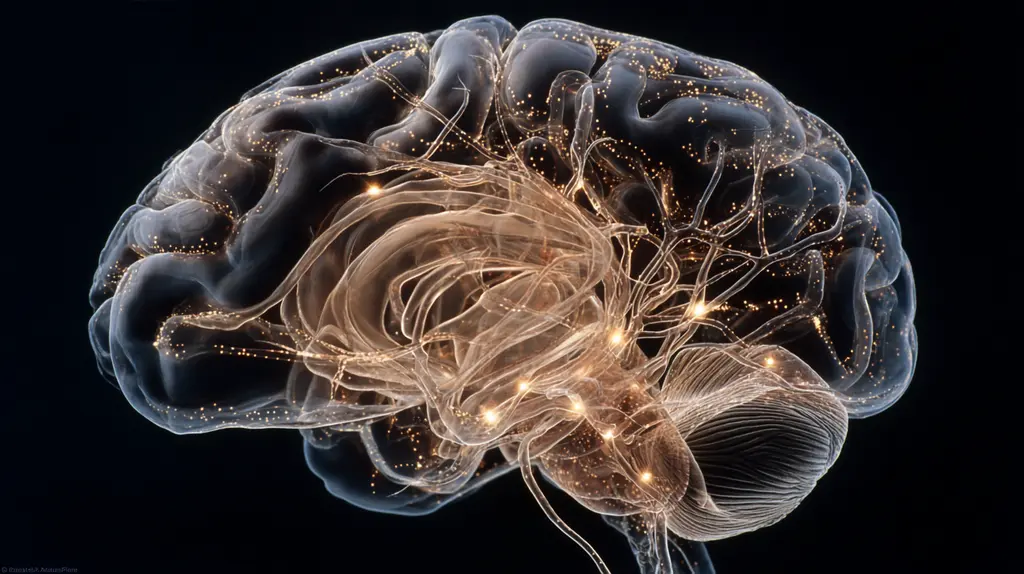
Absolutely, our brains are intricate, and sometimes damage or conditions can impact how we handle morphemes. In certain types of aphasia, which is a language disorder often caused by stroke, people might struggle with using or understanding bound morphemes. For example, they might say ‘cat’ instead of ‘cats’ or ‘walk’ instead of ‘walking,’ even if they understand the core meaning. This shows just how fundamental morphemes are to fluent and grammatically correct communication, and how different parts of our brain work together for language processing.
- LVIS Neuromatch – Explore advanced AI solutions for neuroscience.
- Neuvera – Discover more about cognitive assessment and brain health.