Unpacking Explicit Memory: The ‘What’ and ‘Who’ of Your Past
Explicit memory, also known as declarative memory, is basically your brain’s filing cabinet for facts and events that you can consciously recall. Think about remembering your best friend’s birthday or what you had for breakfast this morning. These are memories you can ‘declare’ or talk about. It’s distinct from things like riding a bike, where you just *do* it without consciously thinking about the steps. It’s like a mental scrapbook of your life, filled with things you actively learned or experienced, making it super accessible when you need to remember something specific.
Memory: The power to recall.
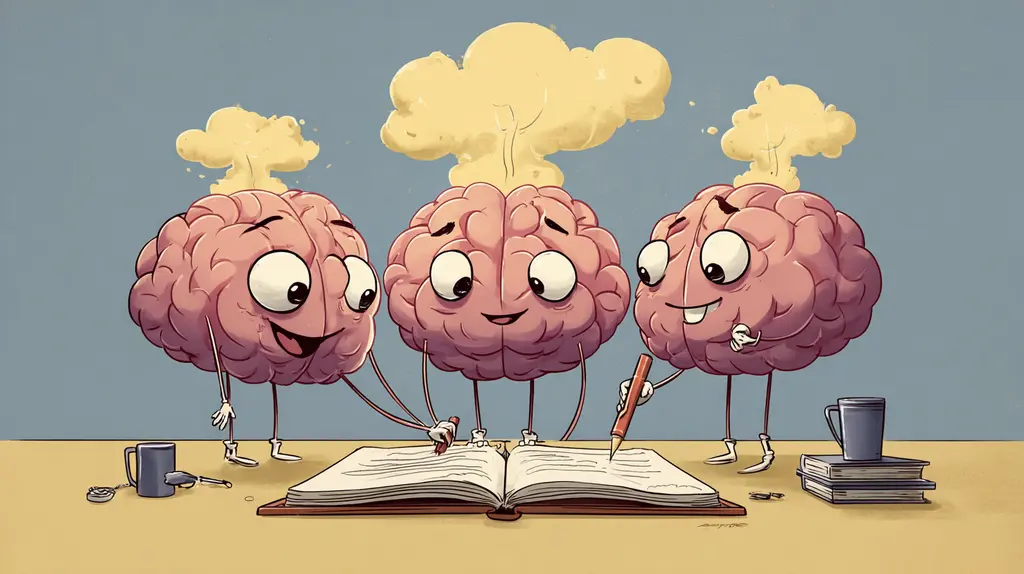
Two Main Types: Episodic vs. Semantic Memory
This ‘filing cabinet’ actually has two main drawers! First, there’sepisodic memory, which is all about specific personal events and experiences – like remembering your high school graduation or your last vacation. It’s like replaying a mini-movie in your head. Then there’ssemantic memory, which stores general knowledge and facts about the world, like knowing that Paris is the capital of France or that a cat is a feline. It’s not tied to a specific experience of learning it, just the fact itself. Both are super important for navigating our daily lives and understanding the world around us.
Connecting the Dots: Explicit Memory and Brain Health
How Can We Keep Our Explicit Memory Sharp as We Get Older?
Great question! Just like a muscle, our memory can benefit from regular exercise. Engaging in mentally stimulating activities like learning a new language, solving puzzles, or reading can help maintain cognitive function. A healthy lifestyle, including a balanced diet rich in antioxidants, regular physical activity, and sufficient sleep, is also crucial. Sleep, especially, is when your brain works its magic on memory consolidation. So, staying active both mentally and physically, and getting good rest, are your best bets for keeping those explicit memories clear and accessible for years to come!
How Does Our Brain Actually Form and Store These Memories?
It’s a super cool process involving several brain regions! When you experience something new or learn a fact, your brain’shippocampusacts like a temporary holding station, helping to consolidate that information. Over time, especially during sleep, these memories are gradually transferred to the cortex for long-term storage. This process is calledmemory consolidation. Think of the hippocampus as a librarian helping to organize new books before they get placed permanently on the shelves in the main library (the cortex). This ensures your precious memories are kept safe and sound!
Why Do Some Explicit Memories Last Forever While Others Fade So Quickly?
Oh, that’s a common question! The strength and longevity of an explicit memory depend on several factors. Memories associated with strong emotions, like joy or fear, tend to be more vivid and lasting. Also,rehearsalplays a huge role – the more you recall or revisit a memory, the stronger its neural pathways become, making it easier to retrieve. Think about studying for an exam; the more you review, the better you remember! If a memory isn’t revisited or doesn’t have much emotional weight, those neural connections can weaken over time, leading to forgetting. It’s all about strengthening those brain connections!
- LVIS Neuromatch – Explore advanced AI solutions for neuroscience.
- Neuvera – Discover more about cognitive assessment and brain health.