The Brain’s Amazing Search Engine: How We Find Memories
When we talk about “retrieval” in neuroscience and cognitive science, we’re basically referring to the process of accessing stored information from our long-term memory. Think of your brain like a super-organized library, but instead of books, it’s filled with experiences, facts, and skills. Retrieval is like the librarian successfully finding the exact book you’re looking for, bringing it from the shelves of your past right back into your conscious mind. It’s not always a smooth process, but it’s essential for learning and daily functioning!
Memory is the power of recall.
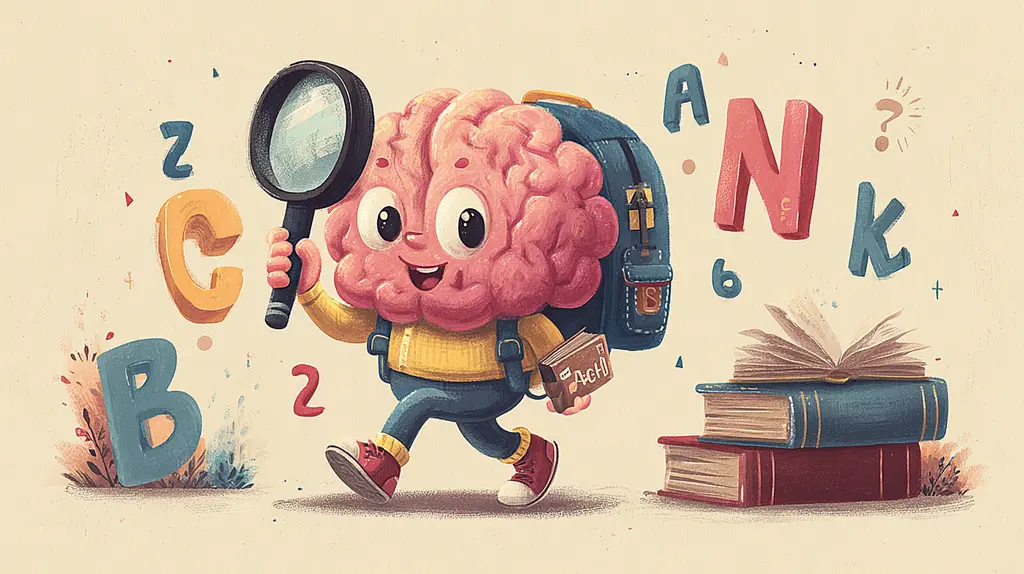
Different Ways Our Brains Pull Up Information
Retrieval isn’t a one-size-fits-all process. Sometimes, it’s effortless, like recalling your best friend’s name – this is known as *recall*. Other times, it’s about recognizing something familiar, like choosing your favorite coffee shop from a list; that’s *recognition*. Both are forms of retrieval, but they involve different levels of effort and neural pathways. Understanding these nuances helps us see how dynamic and complex our memory system truly is.
Hack Your Brain: Boosting Your Retrieval Game
How Can We Actually Get Better at Recalling Information?
Good news! You absolutely can improve your retrieval skills. One super effective method is *active recall*, where you test yourself regularly instead of just rereading notes. Flashcards, practice quizzes, or even just trying to explain concepts out loud without looking at your materials are fantastic. Another tip is *spaced repetition*, revisiting information over increasing intervals. These strategies strengthen the neural pathways associated with those memories, making them easier to retrieve when you need them most!
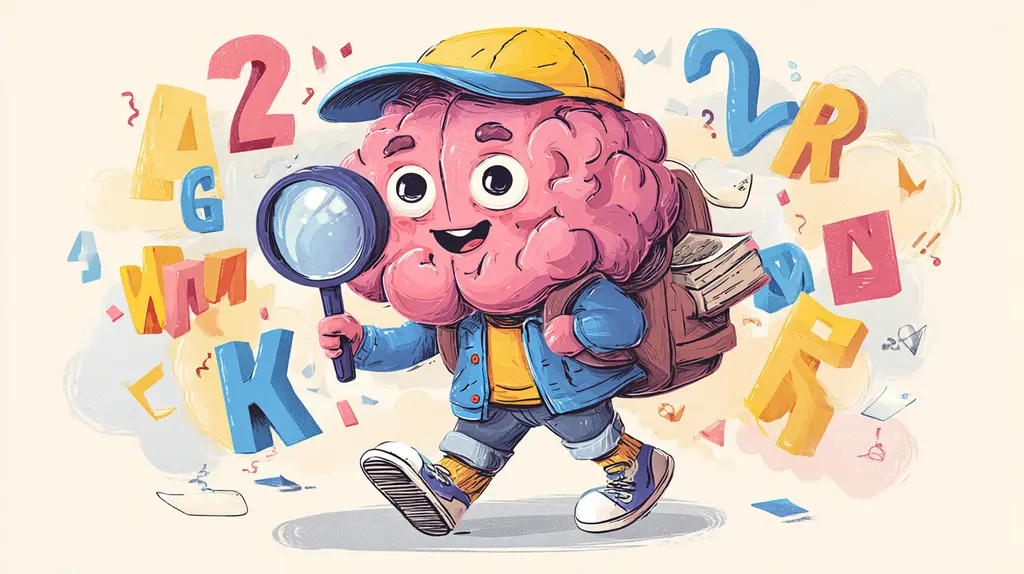
Why Do We Sometimes Forget Things, Even When We Knew Them?
Ugh, it’s the worst, right? You *know* you know the answer, but it just won’t come! This is often due to *retrieval failure*. The memory is stored in your brain, but you just can’t access it at that moment. This can happen for several reasons: insufficient retrieval cues, interference from other memories, or even stress. It’s like having a book in your library but not remembering its title or where it’s shelved. Our brains aren’t perfect, and sometimes our “search engine” just needs a better prompt!
Can You Give Me Some Everyday Examples of Retrieval in Action?
Absolutely! Retrieval is happening all the time. When you remember your coffee order, recall a friend’s birthday, or sing along to your favorite song, that’s retrieval. Even recognizing a familiar face in a crowd or knowing how to tie your shoes involves retrieving stored information. It’s the mechanism that allows us to connect our past experiences to our present actions, making us truly functional humans in the world!
- LVIS Neuromatch – Explore advanced AI solutions for neuroscience.
- Neuvera – Discover more about cognitive assessment and brain health.