Imagine Your Brain’s Own Super Cool Knowledge Web!
Think of your brain like a giant, bustling city, but instead of buildings, it’s full of ideas and concepts! A semantic network is basically how all these ideas are organized. It’s like a mental map where each concept, like “cat” or “pizza,” is a “node,” and the lines connecting them are “links” showing how they’re related. So, “cat” might be linked to “animal,” “furry,” “meow,” and “pet.” These links aren’t just random; they show relationships like “is-a,” “has-a,” or “can-do.” This awesome structure helps us make sense of the world and access information super fast!
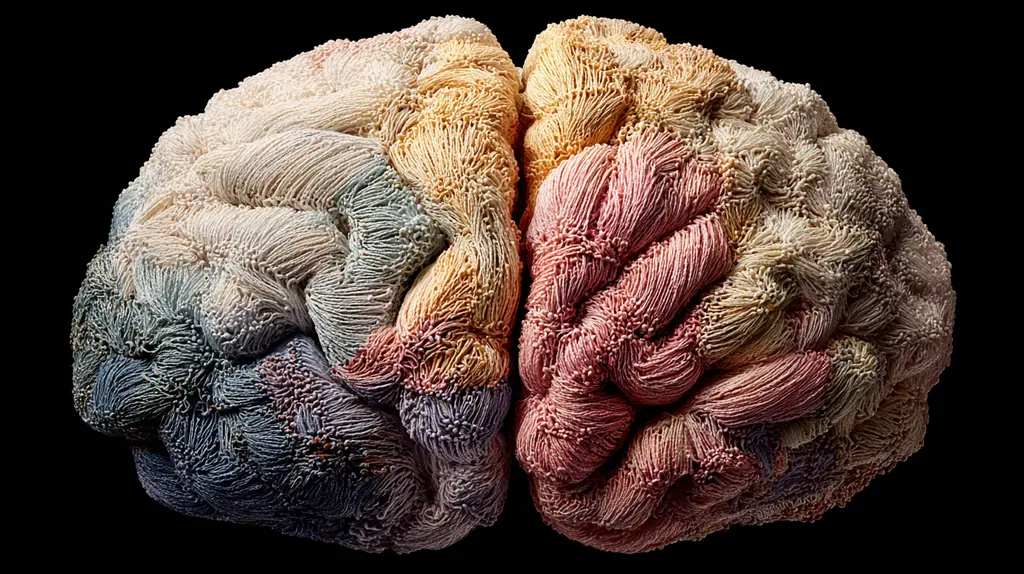
Knowledge is a network of connections.

Why Are These Connections So Important for How We Think?
These intricate webs are crucial because they make our thinking efficient and lightning-fast! When you hear the word “apple,” your brain doesn’t just pull up a single image; it instantly activates a whole cluster of related concepts like “fruit,” “red,” “sweet,” “healthy,” and maybe even “pie” or “iPhone.” This automatic activation, called “spreading activation,” helps us understand context, draw inferences, and retrieve memories quickly. Without semantic networks, every piece of information would be an isolated island, making learning and communication incredibly slow and clunky. It’s the secret sauce for our cognitive agility!
Beyond the Basics: Semantic Networks and More!
How Do Semantic Networks Relate to Language and Memory?
Semantic networks are absolutely fundamental to both language and memory! For language, they explain how we understand word meanings, recognize synonyms, and grasp the nuances of sentences. When you hear a sentence, your brain rapidly activates the semantic networks associated with each word to construct overall meaning. In terms of memory, these networks are the backbone of our “semantic memory,” which is our general knowledge about the world – facts, concepts, and ideas. Without this interconnected web, recalling a simple fact or understanding a conversation would be incredibly challenging. It’s like the filing system for everything we know!

How Do Semantic Networks Help Us Understand New Information?
When you encounter something new, your brain tries to fit it into your existing semantic network. Let’s say you learn about a “dragon fruit.” Even if you’ve never seen one, your brain immediately starts connecting it to existing nodes like “fruit,” “exotic,” “sweet,” and maybe “tropical.” The more connections you can make between new information and what you already know, the better you understand and remember it. This process isn’t just about adding new nodes; it’s about building and strengthening the links, making your network richer and more robust. It’s how we integrate new knowledge seamlessly!
Are All Connections in Our Brain Equally Strong?
Nope, definitely not! Think of it like a highway system in your brain. Some roads are heavily trafficked superhighways, while others are small, rarely used country lanes. The strength of a connection in your semantic network depends on how often you’ve used it and how recently. If you frequently think about “coffee” and “morning,” that link will be super strong. This phenomenon is called “priming” – activating one concept makes related concepts easier to access. Stronger connections mean faster retrieval and more automatic associations, which is why some things just “pop” into your head!
- LVIS Neuromatch – Explore advanced AI solutions for neuroscience.
- Neuvera – Discover more about cognitive assessment and brain health.