The Idea of an Innate Language Blueprint
Okay, so picture this: Universal Grammar (UG) is basically the idea that all of us humans are born with a kind of “language starter kit” in our brains! It’s like, deep down, we’re pre-programmed with a basic template for language. This isn’t about knowing French or Spanish from birth, but rather a set of fundamental rules and principles that all human languages share. It helps explain why learning to speak feels so natural and effortless for kids, even without anyone explicitly teaching them all the complex grammar!
“Language is the uniquely human fingerprint.”
Noam Chomsky and the Linguistic Revolution
When we talk about Universal Grammar, we absolutely *have* to mention Noam Chomsky! He’s kind of a rockstar in linguistics. Back in the day, many thought we learned language purely by imitating others. But Chomsky was like, “Hold up!” He argued that our brains have a biological, innate capacity for language, a “Language Acquisition Device.” His groundbreaking ideas totally flipped the script on how we understand language development, showing it’s not just about what we hear, but what’s already built into us.
Beyond the Basics: UG and Our Brains
What Does Neuroscience Say About UG?
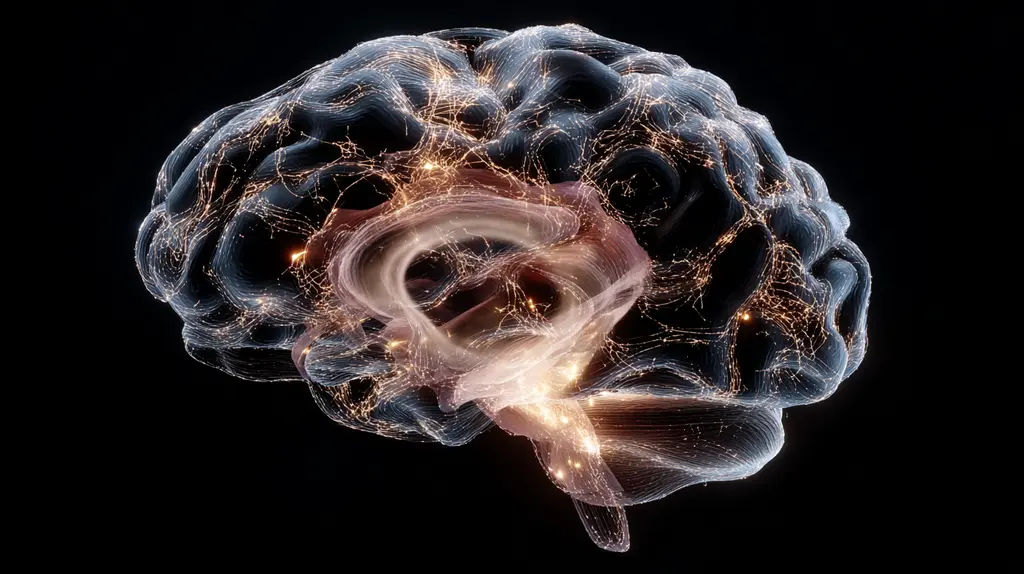
This is where my neuroscience nerd really comes out! While it’s super tough to directly “see” Universal Grammar in the brain, studies using fMRI (those cool brain scanners!) show that specific areas, like Broca’s and Wernicke’s, light up when we’re processing language. This strongly suggests a biological basis and specialized neural networks dedicated to language. While the debate is ongoing, these findings definitely align with the idea that our brains are uniquely wired for language, making the concept of UG pretty compelling!
Does UG Mean All Languages are the Same?
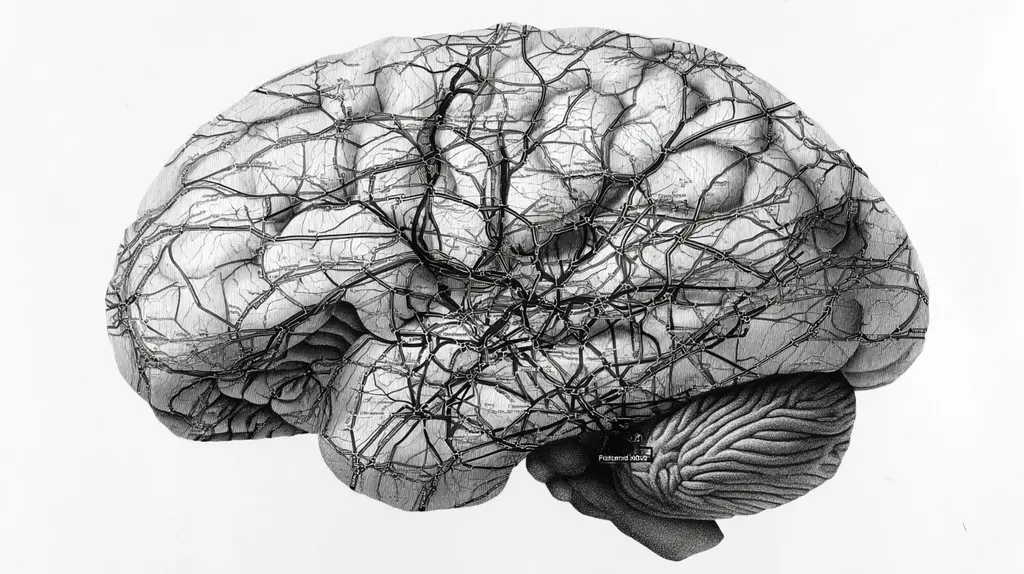
Nope, not at all! This is a common misunderstanding. Universal Grammar doesn’t mean every language sounds the same or uses the exact same words. Think of it more like all computers running on a similar operating system, but they can still have vastly different apps and interfaces! UG suggests a shared *deep structure* – those underlying principles and rules that guide how we form sentences, ask questions, and create meaning, even if the surface forms of languages vary wildly. It’s about the universal scaffolding, not the décor!
How Do We See UG in Action?
You can spot signs of UG if you know where to look! For example, think about how easily children pick up grammar without formal lessons, even when the language they hear isn’t perfect. It’s like their brains are just filling in the blanks automatically. Also, there’s the “critical period” for language learning – it’s much harder to become truly fluent in a new language after puberty. This hints that our brains are most receptive to language input during a specific developmental window, supporting the idea of an innate, time-sensitive system.
- LVIS Neuromatch – Explore advanced AI solutions for neuroscience.
- Neuvera – Discover more about cognitive assessment and brain health.