The Brain’s Super Storage System: Encoding and Keeping Memories
Long-Term Memory, or LTM, is like the ultimate hard drive of your brain! It’s the system responsible for storing information over extended periods, from a few minutes to an entire lifetime. Think about how you remember your childhood best friend’s name, or the lyrics to your favorite song from high school – that’s LTM in action. When we learn something new, our brain works to “encode” it, turning sensory information into a format it can store. Then, it “consolidates” this information, often during sleep, to strengthen these memory traces and move them into more permanent storage. This complex process involves various brain regions, especially the hippocampus, which acts like a temporary staging area before memories are distributed across the cerebral cortex for long-term keeping. It’s truly fascinating how our brains manage to hold onto so much!
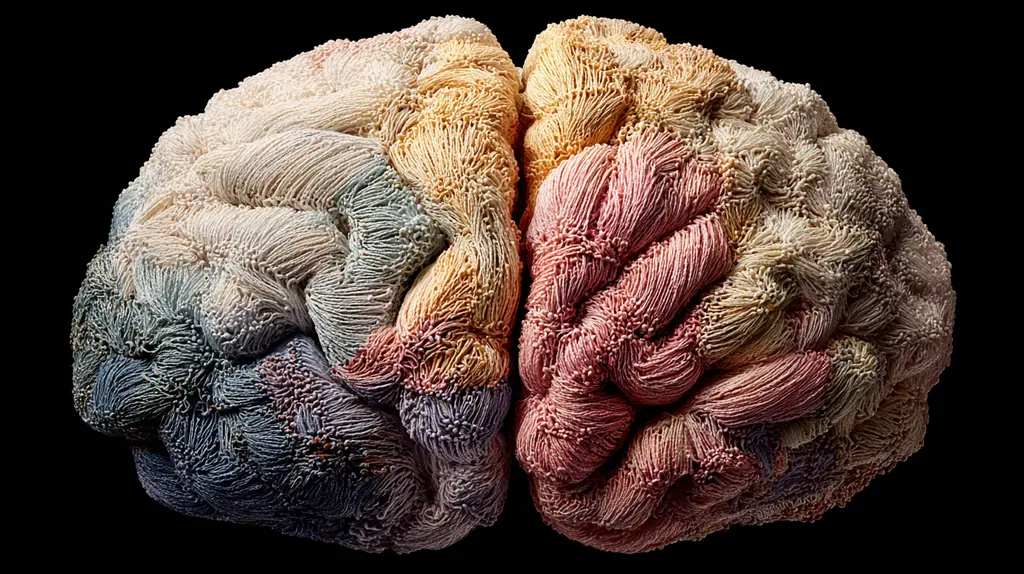
Memory is life’s library.
Different Flavors of Forever: Understanding LTM Types
Did you know that not all long-term memories are the same? There are two main categories: declarative (explicit) and non-declarative (implicit) memory. Declarative memory is about facts and events you can consciously recall. It’s divided into semantic memory (general knowledge like “Paris is the capital of France”) and episodic memory (personal experiences like “what I had for breakfast yesterday”). Non-declarative memory, on the other hand, is about skills and habits you perform without conscious thought. This includes procedural memory, like knowing how to ride a bike or type on a keyboard, and also things like classical conditioning. Understanding these different types helps us see how our brains store and retrieve such a rich tapestry of information, allowing us to learn, adapt, and remember almost everything about our world and ourselves!
Q&A: Memory Connections!
How Can We Improve Our Long-Term Memory for Studying or Learning New Things?
Improving your long-term memory is totally doable, and it’s super helpful for studying! One of the best strategies is “elaborative rehearsal,” which means linking new information to things you already know, rather than just rote memorization. Try explaining concepts in your own words or creating mental images. “Spaced repetition” is another fantastic technique; instead of cramming, review material at increasing intervals. This strengthens memory traces. Getting enough quality sleep is non-negotiable, as sleep is when your brain does a lot of its memory consolidation work. Also, stay hydrated, eat brain-healthy foods rich in omega-3s, and incorporate physical activity into your routine. These habits boost overall cognitive function, making your brain a more efficient memory machine!
How Does Our Brain Retrieve Memories When We Need Them?
Retrieving a long-term memory is like finding a specific book in a massive, well-organized library! When you try to remember something, your brain activates the neural pathways associated with that memory. This process often starts with a “cue” – something that triggers the memory, like a smell, a word, or a visual. The brain then reconstructs the memory by bringing together fragmented pieces of information stored in different cortical areas. It’s not simply pulling a file; it’s an active, reconstructive process. Sometimes, memories can feel hazy or incomplete, and that’s because retrieval isn’t always perfect. The efficiency of retrieval depends on how strongly the memory was encoded and consolidated in the first place, and how many cues are available to help your brain find the right connections.
What Factors Can Affect How Well We Form and Keep Long-Term Memories?
So many things can influence our long-term memory! For starters, attention and focus are huge. If you’re not paying attention when information is presented, it’s less likely to be encoded strongly enough for LTM. Emotions also play a significant role; highly emotional events tend to be remembered more vividly. Sleep is incredibly crucial for memory consolidation, helping to transfer short-term memories into long-term storage. Lifestyle factors like diet, exercise, and stress levels also impact brain health and, consequently, memory function. For example, chronic stress can impair the hippocampus, making it harder to form new declarative memories. Understanding these factors can help us optimize our brain health and boost our memory power!
- LVIS Neuromatch – Explore advanced AI solutions for neuroscience.
- Neuvera – Discover more about cognitive assessment and brain health.