Your Brain’s Shortcuts: How Do They Form and Why Are They So Handy?
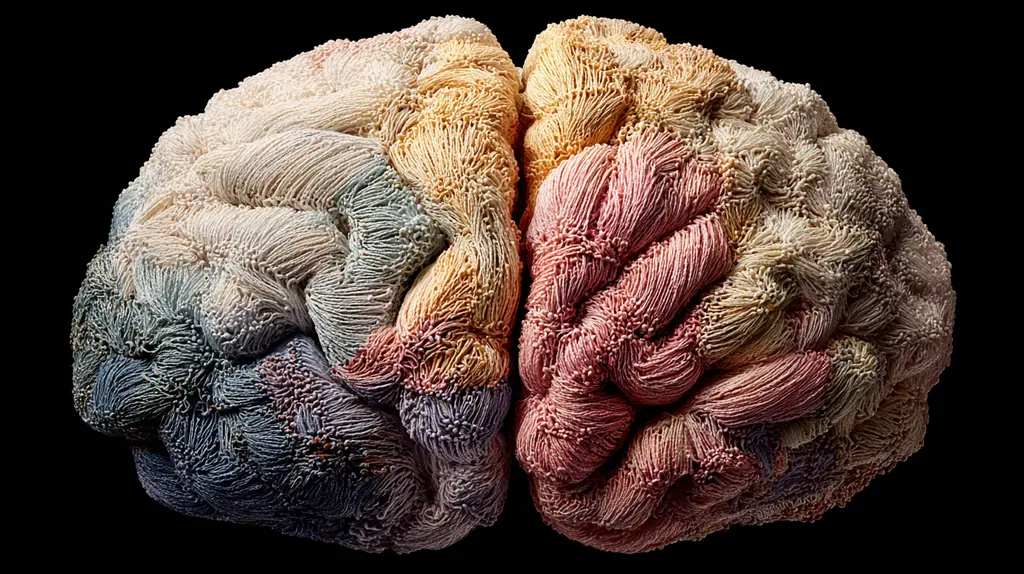
Imagine your brain constantly trying to figure out how everything works, from how your coffee machine brews to how your best friend might react to news. That’s where mental models come in! They’re like little simplified versions or blueprints in your mind that represent how something works in the real world. Think of them as your brain’s personalized internal map or simulation of reality. We build these models based on our experiences, observations, and what we learn over time. They help us make sense of complex situations super fast without having to analyze every single detail from scratch.
“Your mind’s best guess.”
Why Do We Even Need These “Maps”? They’re Like Our Brain’s Secret Superpower!
So, why bother with these mental maps? Well, they’re incredibly efficient! Our brains are amazing, but they also like to save energy. Instead of constantly processing new information from scratch every single time, mental models allow us to quickly predict outcomes, understand new situations, and make decisions on the fly. For instance, you don’t need to relearn how a door works every time you see one; your mental model of a door (it opens, you can walk through it) lets you navigate without a second thought. They help us filter information, focus on what’s important, and act effectively in a complex world.
Connecting the Dots: Mental Models and Beyond – More Q&A!
How Can We Improve or Update Our Mental Models? (It’s Like a Brain Software Upgrade!)
Great question! Since mental models can be faulty, it’s crucial to actively work on improving and updating them. The best way? Keep learning and stay curious! This means seeking out new information, listening to diverse perspectives, challenging your own assumptions, and reflecting on your experiences (especially when things don’t go as planned). Don’t be afraid to admit when your current model isn’t working and adjust it. It’s like debugging software in your brain: identify the bug, understand why it’s there, and then write new code based on better information. This makes us more adaptable and effective thinkers!
Can Mental Models Be Wrong or Limiting? (Spoiler: Yep, They Totally Can!)
Absolutely! While super useful, our mental models aren’t always perfect. Since they’re built on our personal experiences and knowledge, if those experiences are limited, biased, or incomplete, our mental models can also be flawed or outdated. This can lead to misinterpretations, incorrect assumptions, or even poor decision-making. For example, if your mental model of a certain group of people is based on stereotypes, it will limit your understanding and interactions with individuals from that group. It’s super important to realize that our mental models are just that – models, not the absolute truth – and they need to be updated!
How Do Mental Models Impact Our Daily Life? (Think Everything, Literally!)
You’d be surprised how much mental models influence literally every single aspect of your day! From the moment you decide what to wear (based on your mental model of today’s weather) to how you interact with your professor (based on your mental model of their expectations), they are always at play. They shape our perceptions of reality, how we interpret events, and even how we respond emotionally. When you try to fix a tech glitch, you’re using your mental model of how that device should work. Understanding them helps us see why we make certain choices and why others might see things so differently!
- LVIS Neuromatch – Explore advanced AI solutions for neuroscience.
- Neuvera – Discover more about cognitive assessment and brain health.