The Brain’s Filing System: Classical vs. Prototype Theories
Cognitive categorization is the fundamental mental process of sorting objects, events, and ideas into groups based on shared properties. It’s how your brain creates order from the constant stream of sensory information. The classical theory suggests we categorize using a strict set of rules; for example, a “square” must have four equal sides and four right angles. However, this is often too rigid for the real world. A more flexible and widely accepted model is the prototype theory. This theory posits that we form a “prototype,” or a best example, for each category based on our experiences. A robin is a prototypical bird for many, while a penguin is not, yet both are correctly filed under “bird.” This process is not about checking boxes but about comparing new stimuli to our established mental prototypes, allowing for faster and more efficient processing of the world around us.
The world is not what it is, but what we make of it.
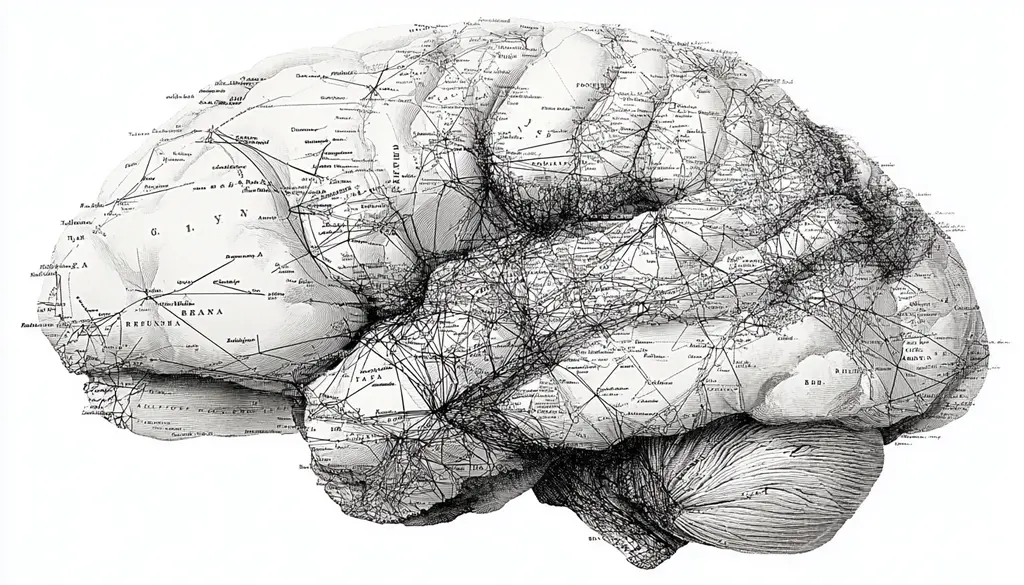
How Experience Shapes Our Mental Categories
Your mental categories are not static; they are continuously sculpted by personal experience, learning, and cultural context. The categories a botanist uses for plants are far more detailed and complex than those of a casual hiker. This demonstrates that expertise and repeated exposure to a domain refine and expand our categorical boundaries. Culture plays a significant role as well. Some languages have multiple distinct words for shades of blue, leading speakers of those languages to perceive and categorize those colors differently than an English speaker might. This process, known as neuroplasticity, means your brain is physically rewiring itself to become more efficient at recognizing the patterns and objects most relevant to your life. Your unique life experiences build a unique internal filing system for reality.
Categorization in Daily Life and Beyond
How is categorization fundamental to decision-making?
Nearly every decision you make relies on rapid categorization. When you choose what to eat, you categorize foods as “healthy,” “unhealthy,” “breakfast,” or “dessert.” This allows you to quickly filter options without analyzing every single nutritional detail. This mental shortcut is a type of heuristic. Heuristics are problem-solving strategies that use practical, but not always optimal, methods to produce solutions. By categorizing a new situation as similar to a past experience (e.g., “this traffic jam is like the one last Tuesday”), you can apply a known solution (“I should take the back roads”). This makes decision-making incredibly efficient, freeing up cognitive resources for more complex problems. Without the ability to categorize, each choice would be overwhelming, requiring a complete analysis from scratch. The process is automatic and essential for navigating the countless micro-decisions of daily life.
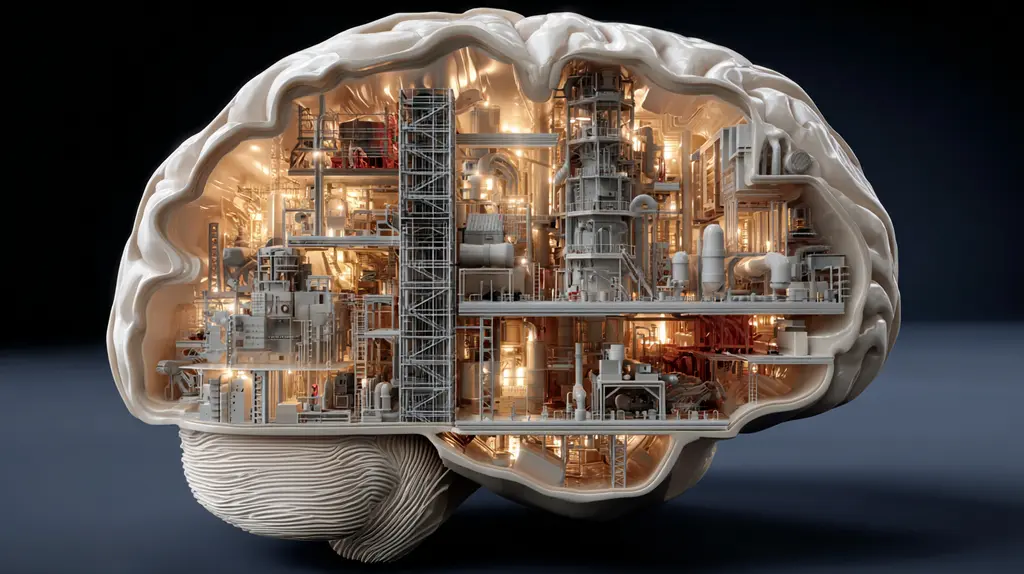
How does categorization affect our perception of reality?
Categorization does not just organize information; it actively shapes how we perceive the world. This is powerfully illustrated by the concept of categorical perception, where we perceive stimuli as belonging to distinct groups rather than as a smooth continuum. For example, you hear the sound “ba” or “pa,” not something in between, even if the sound is acoustically ambiguous. The brain forces the sound into a pre-existing linguistic category. This cognitive shortcut makes the world easier to navigate but can also introduce bias. Once an object or person is assigned to a category, our perception is filtered through the lens of that category’s associated traits, potentially causing us to overlook individual characteristics that don’t fit the established prototype. Our brain prioritizes efficiency, and this filtering mechanism is a direct consequence of that priority.
What happens when categorization malfunctions in the brain?
Dysfunctional categorization is implicated in various cognitive and psychiatric conditions. Stereotyping, for instance, is a form of cognitive shortcut where social categorization becomes overly rigid and inaccurate, leading to prejudice. In clinical contexts, conditions like Obsessive-Compulsive Disorder (OCD) can involve an excessive and inflexible need to categorize and order the environment, causing significant distress. Conversely, individuals with certain types of agnosia, often resulting from brain injury, may lose the ability to categorize objects. They might see a cup but be unable to access the mental category “cup” to understand its function. These examples show that the ability to form and apply categories flexibly is crucial for effective interaction with the world, and its disruption can have profound consequences on an individual’s daily functioning and social understanding.
- LVIS Neuromatch – Explore advanced AI solutions for neuroscience.
- Neuvera – Discover more about cognitive assessment and brain health.