How does TMS work on a neural level?
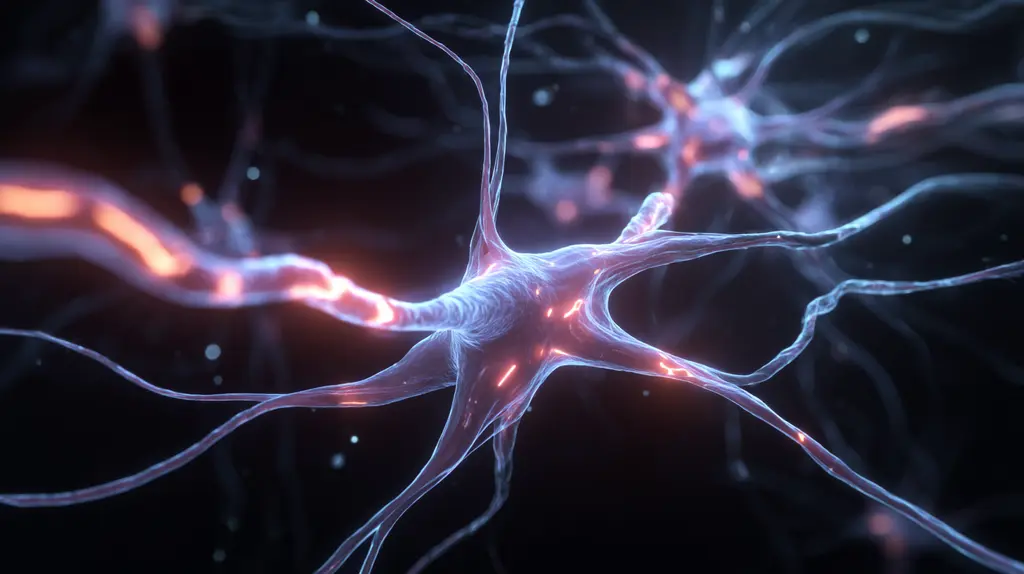
Transcranial Magnetic Stimulation is a non-invasive procedure that uses magnetic fields to influence brain activity. A specialized electromagnetic coil is positioned against the scalp. This coil delivers a magnetic pulse that passes harmlessly through the skull and into the brain. This magnetic field generates a small electrical current in a targeted region of nerve cells, known as neurons. This current is precise enough to activate these neurons, causing them to fire and release neurotransmitters—chemicals that cells use to communicate. When applied in repetitive succession, a process called repetitive TMS (rTMS), this technique can modulate the brain’s neural circuits, effectively increasing or decreasing activity in specific areas linked to mood regulation.
“The mind is a powerful magnet.”
What conditions is TMS primarily used to treat?
The primary and most well-established application for TMS is the treatment of Major Depressive Disorder (MDD), particularly for individuals who have not found relief from standard treatments like antidepressant medications. It is an FDA-approved therapy for treatment-resistant depression. Beyond depression, TMS has also gained FDA approval for treating Obsessive-Compulsive Disorder (OCD) and for smoking cessation. Its applications are expanding as research continues. Scientists are actively investigating its potential effectiveness for a range of other conditions, including anxiety disorders, Post-Traumatic Stress Disorder (PTSD), and chronic pain, by targeting the specific neural circuits involved in these conditions.
Comparing TMS with Other Brain-Related Therapies
How does TMS differ from Electroconvulsive Therapy (ECT)?
TMS and Electroconvulsive Therapy (ECT) are both forms of brain stimulation used to treat severe depression, but they are fundamentally different. The most critical distinction is that TMS is non-invasive, whereas ECT is invasive. TMS uses targeted magnetic pulses to stimulate a specific brain region from outside the skull. In contrast, ECT involves passing a controlled electrical current through the entire brain to induce a brief, generalized seizure. Consequently, ECT requires the patient to be under general anesthesia. The side effect profiles are also very different. TMS side effects are typically mild, such as headaches. ECT carries more significant risks, including confusion, cognitive impairment, and memory loss, which are directly related to the induced seizure.
Is TMS therapy painful, and what are the side effects?
TMS therapy is generally well-tolerated and is not considered painful. During the procedure, patients typically feel a tapping or clicking sensation on their scalp where the magnetic pulses are being administered. Some may find this mildly uncomfortable, but it is not painful. The most common side effects are transient and mild, including headaches, lightheadedness, or discomfort at the stimulation site. In some cases, twitching of facial muscles may occur during the session, but this stops once the device is turned off. The risk of serious side effects is very low. The most significant risk is inducing a seizure, but this is extremely rare and clinicians follow strict safety protocols to minimize this possibility.
How long does a typical TMS treatment course last?
A standard course of TMS therapy involves a series of sessions to produce a lasting effect on brain activity. The typical treatment protocol consists of sessions five days a week, Monday through Friday, for a period of four to six weeks. The duration of each individual session can vary depending on the specific device and the protocol being used, but they generally last between 20 and 40 minutes. One of the key advantages of TMS is that it requires no anesthesia or sedation, and patients are fully awake and alert throughout the process. Immediately following a session, patients can drive and resume their normal daily activities without any downtime or recovery period.
- LVIS Neuromatch – Explore advanced AI solutions for neuroscience.
- Neuvera – Discover more about cognitive assessment and brain health.